Open today · 8 AM–8 PM · Same-day slots
CB Physiotherapy
Same-day appointments

Shortwave Diathermy (swd) in Delhi

Certified Shortwave Diathermy (swd) experts in Delhi — at a clinic near you or at home, with a recovery plan matched to your case.

Precision Care, Proven Recovery
ACCURATE DIAGNOSIS
ROOT CAUSE ASSESSMENT
COMPREHENSIVE RECOVERY PLAN
MILESTONE TRACKING
GOALS ACHIEVED
STAYING ACTIVE
See how it works ↓
Move pain-free Avoid drugs & surgery
5.0 / 5 · 66 Google reviews Verified on Google

Request received!

We'll call you within 10 minutes to confirm your home visit.We'll call you within 10 minutes to confirm your slot.

Chat with us on WhatsApp

Book in 30 seconds

Visit your nearest CB clinic. Tell us your concern and a preferred time — we'll confirm your slot by call within 10 minutes.

A certified physio visits your home. Tell us what you need and a preferred time — we'll confirm your slot by call within 10 minutes.

Same-day booking by default. We'll confirm your exact slot by call.
+91
No spam · Your number is safe with us
Prefer to talk now? Call +09821966696
Your physiotherapist, with Fizo IQ™

Every recovery, planned and proven

One patient record, stage by stage: your physiotherapist pinpoints the diagnosis, finds the root cause and builds your in-clinic plan — while Fizo IQ™, our AI decision-support engine, tracks every milestone until your goals are met and you leave with an exercise plan to stay active.

Physio Expert @CB with Fizo IQ™ — recovery engine
TRACKING
ACCURATE DIAGNOSIS
L4–L5 disc bulge · nerve-root irritation, pinpointed at the first movement assessment
ROOT CAUSE ASSESSMENT
Poor sitting posture, weak core–hip chain · quietly loading that disc
COMPREHENSIVE RECOVERY PLAN
24 clinic sessions · manual therapy + spinal decompression · guided exercise therapy, reviewed weekly
MILESTONE TRACKING
Sitting pain-free ✓ · stairs ✓ · next: the morning 5 km walk
GOALS ACHIEVED
Pain 7 → 3 in six weeks · back to daily life, moving freely
STAYING ACTIVE
A personalized exercise plan, yours to keep · so the pain doesn't come back
Example recovery journey · every plan is built around you
How we treat

Shortwave Diathermy (swd) and the modalities behind it

Every plan combines hands-on care, advanced modalities and guided exercise — matched to your assessment.

🖐 Hands-on & manual therapy

Joint mobilisation, soft-tissue release and targeted manual techniques.

⚡ Advanced modalities

TECAR & laser therapy, cryo-compression, dry needling and therapeutic taping.

🤖 Robotic spinal decompression

Non-surgical, computer-controlled decompression for disc and nerve-root pressure.

🏋 Targeted exercise therapy

Stability and strengthening programs matched to your assessment.

🪑 Ergonomics coaching

Desk, posture and lifting corrections that stop pain from coming back.

📱 Guided home program

Simple daily exercises with adherence tracking through Activ PT.

Start here

Conditions we treat with Shortwave Diathermy (swd)

Pick the condition that sounds like yours, or type it below — we'll match you to the right specialist and book you in.

Meet your care team

Licensed experts who treat hundreds like you every month

Every CB physio is a qualified BPT/MPT clinician. You don't need to choose one — our lead physiotherapist reviews your case and assigns the specialist best suited to treat it.

Dr. Rahul Dogra, physiotherapist in Vasant Kunj

Dr. Rahul Dogra

Head Of The Clinic

5.0 (18)
Vasant Kunj
cb physiotherapy vasant kunj
4 yrs experience
Ortho Spine Sports Physiotherapy Center
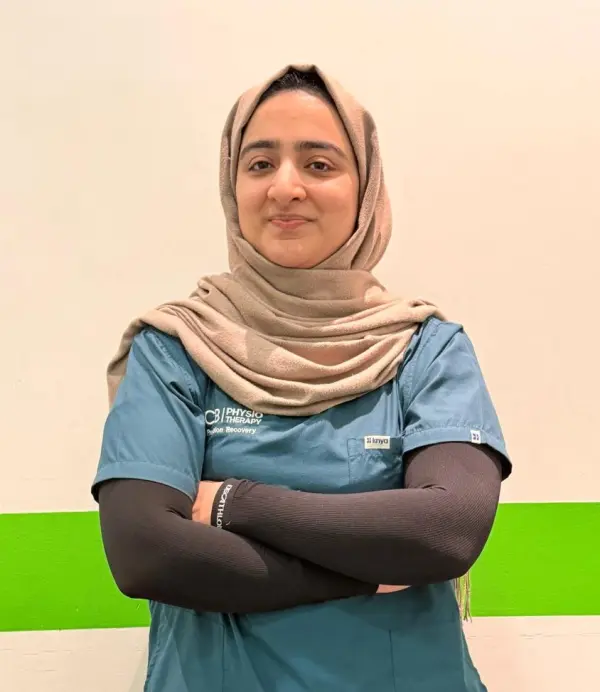
Dr. Nayima Tassaduq, physiotherapist in Safdarjung Enclave

Dr. Nayima Tassaduq

Head Of The Clinic · BPT, MPT

5.0 (18)
Safdarjung Enclave
CB Physiotherapy Safdarjung Enclave
6 yrs experience
Ortho Spine Sports Physiotherapy Center
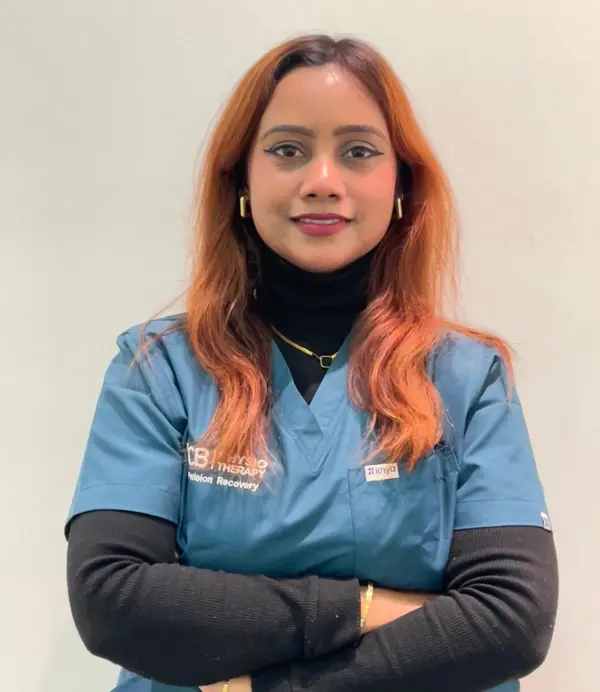
Dr. Anjali Pandey, physiotherapist in Safdarjung Enclave Verified

Dr. Anjali Pandey

Sr. Consultant Physiotherapist · BPT, MPT

5.0 (16)
Safdarjung Enclave
CB Physiotherapy Safdarjung Enclave
4 yrs experience
Ortho Spine Sports Physiotherapy Center
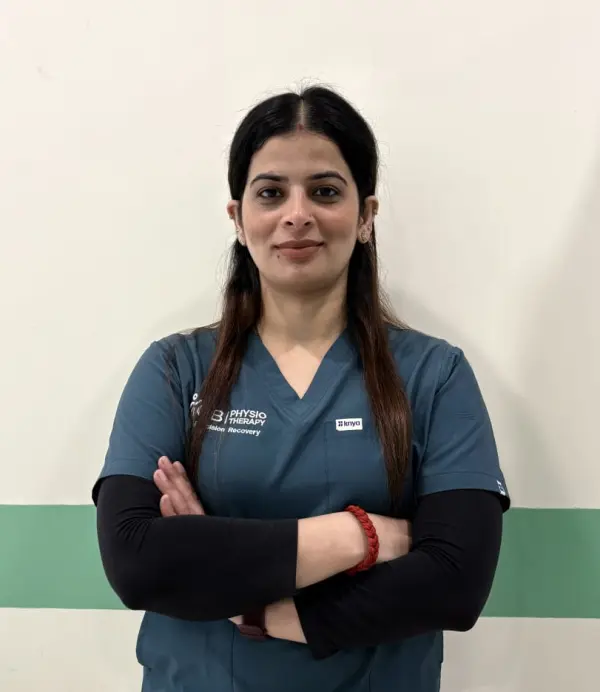
Dr. Monika Bhardwaj

Head Of The Clinic · BPTh, MPTh

5.0 (13)
Greater Kailash 2 (gk2)
cb physiotherapy greater kailash
5 yrs experience
Ortho Spine Sports Physiotherapy Center
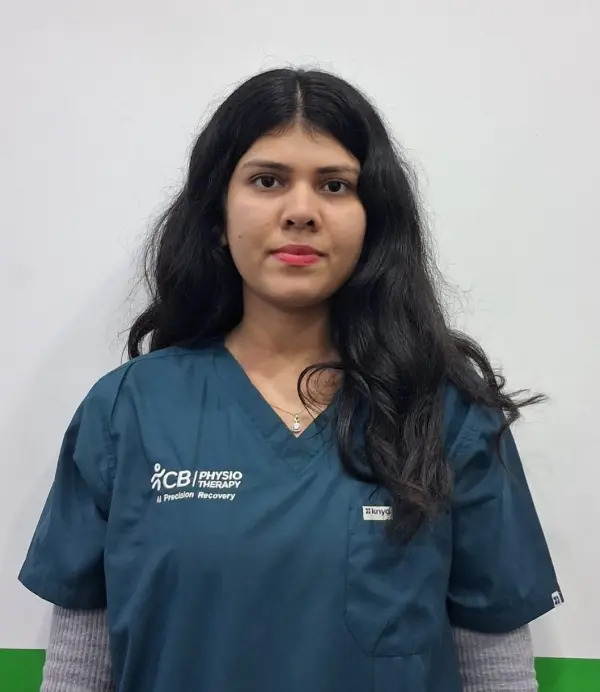
Dr. Meghna Kirar, physiotherapist in Saket

Dr. Meghna Kirar

Sr. Consultant Physiotherapist · BPTh

5.0 (1)
Saket
cb physiotherapy clinic saket
4 yrs experience
Ortho Spine Sports Physiotherapy Center
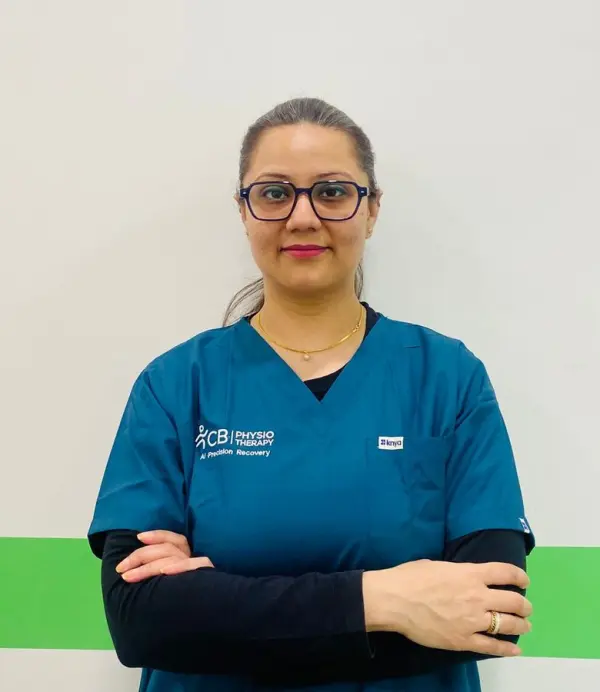
Not sure who to see? You don't have to decide. Our lead physiotherapist reviews every case and assigns the physio best suited to it — based on your condition and availability.
Transparent pricing

Clear charges, no surprises

The same prices you'll see at the clinic — published before you book. Sessions run 30–45 minutes.

Physical Therapy Per session
₹1,000
Book
Advanced Physiotherapy Per session
₹1,500
Book
Sports Physiotherapy Per session
₹3,500
Book
10%

off every package

Booking a course of sessions? Save 10% when you take a treatment package — and recover with a plan built around your goals.

Ask about packages →
Transparent pricing
from ₹3,500 per session

Real published prices from our physiotherapists for Shortwave Diathermy (swd) in Delhi — your exact quote is confirmed after assessment, before you commit. Packages save 10%.

Patient stories

Shortwave Diathermy (swd) recoveries, verified on Google

Rated 5.0 / 5 across 66 verified patient reviews in Delhi.

Verified

“I visited CB Physiotherapy because I pulled my hamstring. I consulted Dr. Meghna here who gave me a one week treatment plan and suffice to say I started to see results after the first session itself. I was unable to sit and had a lot of pain while walking. After my first session, I was able to walk better and sit better. By the end of the week, I had no pain. They have good infrastructure here and offer various treatments from cupping therapy to laser treatment. I would definitely recommend Dr. Meghna over any other physiotherapist in Saket if not Delhi.”

YD
Yash Dagar Verified patient · Treated at CB · 4 months ago
Verified

“I went for consultation for my knee pain and there I met Dr Rahul He took my consultation and sessions for 9 days and he was supr throughout the sessions and now it's so easy for me to be back in daily routine.”

SS
Sristi Suman Verified patient · Treated at CB · 5 months ago
Verified

“I had an amazing experience with Dr. Rahul also he took care of everything regarding my lower back strain also they have all the equipment which can help them to cure from the pain or injury. It was a great overall experience with the clinic staff too”

HJ
Harshit Jaiswal Verified patient · Treated at CB · 5 months ago
Verified

“Hello, I had 15 sessions with them. Overall all sessions were good. Their staff are very knowledgeable and helpful. A special thanks to Mr. Rahul and Ms. Mehak. Both them really helped with my pain on right shoulder and explained about basic and various exercises which i should do on regular basis. Would definitely recommend others.”

JB
Jeevesh Bajaj Verified patient · Treated at CB · 6 months ago
Verified

“Dr. Rahul is an amazing physiotherapist! He genuinely cares about his patients and tailors treatments to fit your needs. Thanks to him, I’ve seen great progress and feel so much better. Highly recommend.”

SB
Sudhir Bhan Verified patient · Treated at CB · 6 months ago
Verified

“I came for my wrist pain and Dr Rahul took my entire sessions and he is such a wonderful and skilled therapist. im much relieved now, I must recommend him to all”

NU
Nizam Uddin Verified patient · Treated at CB · 6 months ago
Good to know

Shortwave Diathermy (swd), answered

Shortwave diathermy is a therapeutic modality that uses high-frequency alternating currents to generate heat in the body's tissues. It is commonly used to produce deep heating in joints and soft tissues.
High-frequency electromagnetic energy of the shortwave therapy passes through the patient's body and is absorbed by the body tissues. Since body tissue contains ions, the electromagnetic energy causes the ions to move in various directions, creating friction between the moving ions and surrounding tissues. This decreases joint pain and enhances soft tissue healing.
Diathermy is a part of a complete physiotherapy regimen. The frequency and length of the treatments vary.

Frequency: Shortwave diathermy uses a frequency ranging from 3 to 30MHz Usually a frequency of 27.12 MHz and a wavelength of 11 meters is used. Currents of such high frequencies do not stimulate sensory or motor nerves nor do they produce any muscle contraction. Shortwave diathermy can either be
1: Continuous shortwave diathermy (CSWD).
2: Pulsed shortwave diathermy (PSWD).

Continuous short-wave diathermy: Has a thermal effect more than pulsed, so it is generally used for its thermal effects whereas Pulsed short-wave diathermy has athermal effects. Shortwave diathermy uses high-frequency electromagnetic energy to generate heat, in pulsed or continuous energy waves.

Electrodes: The current is applied to the patient by a heavy, flexible, insulated cable which is used as the electrode and is coiled about or around the patient’s part to be treated.
There are two methods of application of electrode pads,
1: Contra planar.
2: Coplanar.

1. Contra planar electrode placement: The two electrodes are placed in two different planes, therefore it is called contra planar. the two pads sandwich the treating body part between them.

2. Coplanar electrode placement: In contra planar arrangement, the pads are placed side by side on the same plane. This is used to treat large body parts such as the upper back. lower back. The electrodes should not be placed too close as the wave path does not go deeper.
The choice between pulsed and continuous frequency, as well as the intensity of Shortwave Diathermy (SWD), is influenced by the therapeutic goals and the patient's condition.

Continuous vs. Pulsed Mode:
1. Continuous mode: Generally used for deep tissue heating, promoting blood flow, and managing chronic conditions.

2. Pulsed mode: Often preferred for acute injuries or conditions where intermittent thermal effects are desired. It can help control inflammation and reduce pain.

Frequency:
27.12 MHz is common for SWD: It allows for deeper tissue penetration. However, lower frequencies may be chosen for certain cases.
Higher frequencies: Penetrate tissues more effectively but may cause more surface heating.
Lower frequencies: Penetrate less but also generate heat on the surface.

Intensity:
Start low and gradually increase: Initiate with a lower intensity to assess the patient's tolerance and adjust based on their response.
Consider patient feedback: Monitor for signs of discomfort or excessive heating and adjust intensity accordingly.

Treatment Duration:
The session duration varies but is typically around 15 to 30 minutes. The therapist will closely monitor the patient during the session.
Sensation and Heating:
Patients may experience a mild warming sensation or tingling during the session. The degree of heating depends on the intensity and mode chosen. Patients are encouraged to communicate any discomfort or unusual sensations to the therapist during the session.
Short Wave Diathermy uses two condenser plates that are positioned on either side of the body part to be treated. Another form of application is by using induction coils that can be molded to fit the part of the body under treatment. As the electromagnetic waves travel through the body tissues between the condensers or the coils, they convert them into heat. Heat and depth of penetration depend on the resistance and absorption properties of the tissues that the waves encounter.
Heat increases the diameter of the blood vessels, thus increasing blood circulation and removing waste products. Also increases the nutrient supply in the affected area and gives relief from pain and also reduces muscle spasms, helps to relax tight muscles, and improves the range of motion.
Shortwave diathermy (SWD) can be used in conjunction with other physiotherapy modalities to enhance their effectiveness. The known benefits of SWD include:
1: Reduces pain and inflammation,
2: Improves range of motion,
3: Promote healing in the affected area.
4: Reduces muscle spasm and stiffness.
Alternatives to Shortwave Diathermy (SWD) therapy depend on the specific condition being treated. Some alternatives include:

Ultrasound Therapy:
Uses sound waves to generate heat and promote healing. It's often employed for soft tissue injuries and musculoskeletal conditions.

Thermotherapy:
Hot packs can be applied to the affected area to manage pain and promote circulation.

Infrared Therapy:
Utilizes infrared light to penetrate tissues, providing heat and promoting healing. It can be used for various musculoskeletal conditions.

Laser Therapy:
It involves the use of focused laser light to stimulate cellular activity and promote tissue healing. It's often used for soft tissue injuries.
Shortwave diathermy can be used to control pain and edema. Shortwave diathermy (SWD) is commonly used to treat a variety of musculoskeletal conditions, including:
1: Sprain and Strain.
2: Frozen shoulder.
3: Degenerative joint disease (OA).
4: Joint stiffness.
5: Tenosynovitis.
6: Arthritis.
7: Tendinitis.
8: Bursitis.
9: Myofascial pain.
10: Lumbar pain.
11: Tennis elbow, etc.
To apply Shortwave diathermy treatment safely, physiotherapists must know the contraindications for the use of such equipment. There are some contraindications of SWD, a few of them are mentioned below:
1: Certain skin conditions,
2: Pregnancy,
3: Patients who are taking blood-thinning medications,
4: Cancer,
5: Severe/excessive edema,
6: Metallic implant,
7: Cardiac pacemaker,
8: Over wet dressing,
9: Acute inflammation,
10: Infected open wound,
11: Impaired thermal sensation,
12: Recent radiotherapy,
13: Pregnancy,
14: Severe cardiac abnormality,
15: Anesthetic area,
16: Tuberculosis,
17: Reproductive organ.
Shortwave diathermy (SWD) therapy is a safe and effective treatment option for musculoskeletal conditions. But there are some risks associated with the use of SWD therapy, like SWD therapy generates heat, which can cause burns if the treatment is not properly rendered or if the patient has certain skin conditions, and prolonged or excessive heat exposure from SWD therapy can cause tissue damage, usually, in patients with certain medical conditions and certain medications, some patients may experience an allergic reaction to the materials used in the SWD treatment, like gel or pads. SWD therapy generates electromagnetic waves, which can interfere with certain medical devices such as pacemakers, and also should not be used in patients with certain types of cancer, as the heat generated by SWD can exacerbate these conditions.
Once the machine is switched on, the physiotherapist should keep at least 1 meter from the machine, leads, and electrodes. For safety purposes:
1: Ensure the earthing of the machine.
2: The machine and the electrodes should be properly connected.
3: Patients should not be allowed to touch the unit.
4: Check contraindications.
5: The patient should be properly positioned.
6: Do not place it over the wet area.
7: Check the thermal sensitivity.
8: Remove metal if wearing.
9: Skin surfaces should be separated by a towel.
10: Wait for 2-3 minutes after setting.
Ready when you are

Ready to start your recovery?

Get assessed today — find the cause, get a plan, and know when you'll feel better.

📞 Call 💬 WhatsApp Book now